A Really Simple Hack For Assessing Sleep
Sleep tracking gave me clarity: 7 nights, spot patterns, stop guessing, and make one small change for calmer mornings and better decisions.

Learning to use smartapps to support mental health in your 40s
Fog of Mind does exactly what it says on the tin. I help people with their mental health so they can get their life back. This is not therapy, this is tried and tested techniques that I have experienced over 13 years. No recreational drugs, no prescription drugs, just a drive to become a better version of me. Today, we are going to be talking about sleep.
I kept waking up with the same thought: I didn’t sleep.
Not “I slept badly”, not “I was restless”, but the full, slightly dramatic version. As if I’d spent the night staring at the ceiling while the rest of the world got eight hours and a personality upgrade.
The problem with that thought is it lands like a fact. And once it lands, it starts running the day. You get up already tired, you start scanning for proof, and by mid-morning you’re treating every yawn like a medical diagnosis.
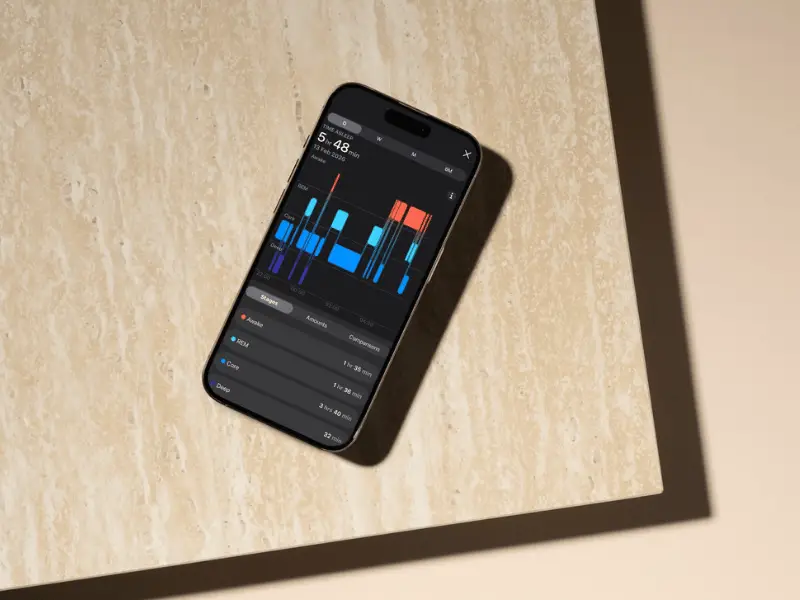
So I tried something simple. I started wearing my Apple Watch to bed.
>track your sleep with Apple Watch” (Apple Support)
The tiny change that gave me clarity
I wore it for a week, and I didn’t try to optimise anything at first. No supplements, no “sleep hacks”, no bedtime heroics. Just a baseline.
The result surprised me.
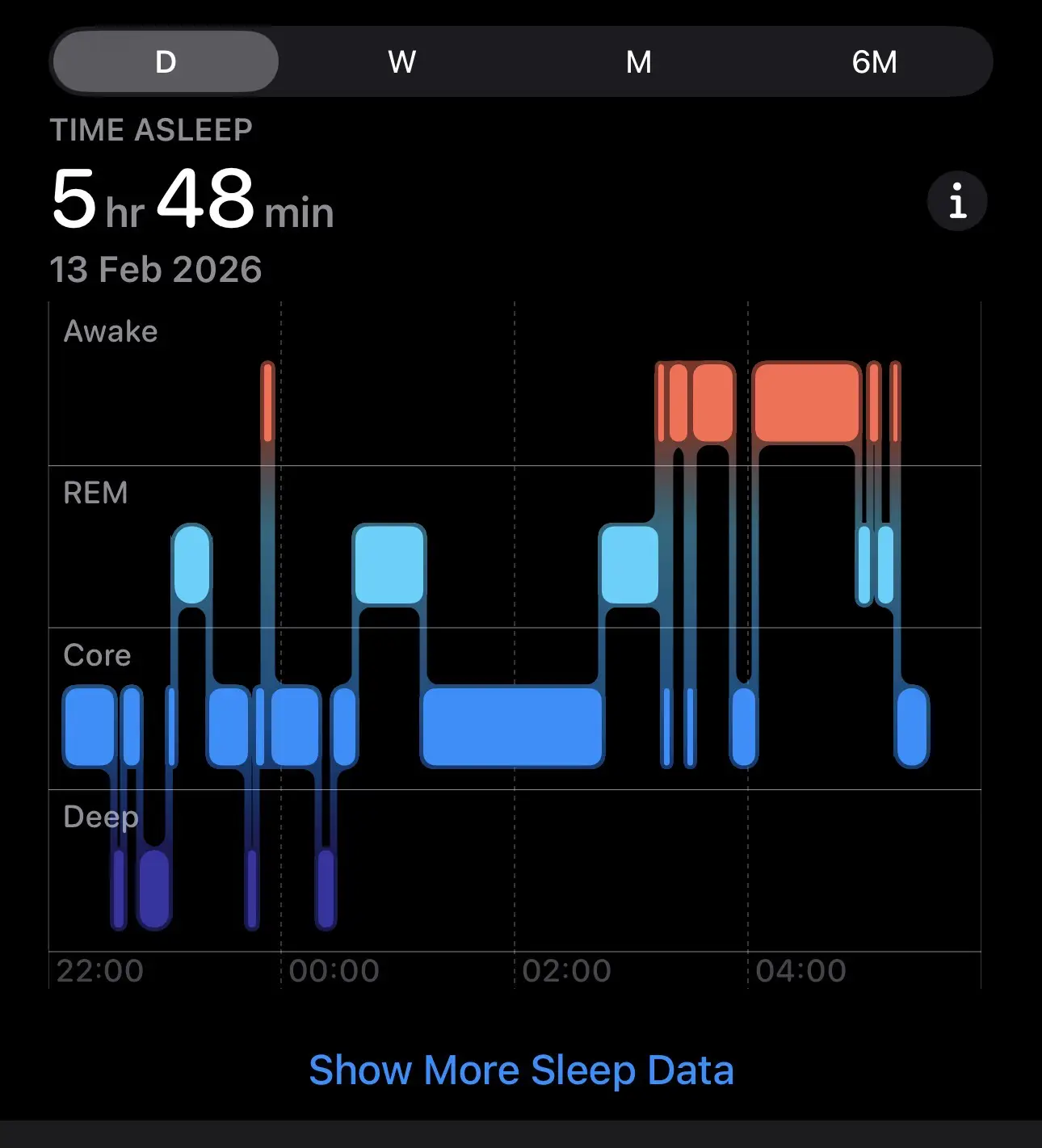
Yes, I was waking up a couple of times a night. But I was generally getting over six hours of sleep. Not perfect, not eight, not “elite recovery”, but also not the sleepless wasteland my 3:12am brain was insisting on.
Last night’s sleep score wasn’t the best. But the bigger shift was this: the data gave me clarity.
And clarity, in this case, meant I stopped stressing quite so much. I wasn’t guessing. I wasn’t catastrophising. I had a rough picture of what was actually happening.
As you can see from the image above, I didn’t sleep well last night but I don’t feel groggy.
Why sleep apps both help and annoy people
There are the nay-sayers, and they’re not entirely wrong.
Wearables and sleep apps aren’t clinical tools. They’re estimates. Your watch doesn’t know when you’re dreaming. It infers sleep from signals like movement and heart rate trends. It’s clever, but it’s not a sleep lab.
That said, most of us aren’t choosing between an Apple Watch and a team of specialists in a white room with electrodes. We’re choosing between:
- a vague feeling of “I didn’t sleep”, and
- a consistent, imperfect dataset that shows patterns.
For everyday life, that second option can be genuinely useful.
What works with smart sleep tracking
1) It turns feelings into patterns
Your brain is brilliant at telling stories, especially tired ones. Data helps you zoom out. One rough night is a bad night. Three rough nights at the same time each week is a pattern worth noticing.
2) It shows you the bits you forget
I “knew” I wasn’t sleeping. The watch showed I was sleeping, but with a couple of wake-ups. That’s a different problem, and it leads to different fixes.
3) It can reduce sleep anxiety
This was the big one for me. When I stopped guessing, I stopped spiralling. The aim is not to worship the numbers. It’s to stop your mind making things worse than they are.
4) It nudges small behaviour changes
You start spotting simple links: late caffeine, late screens, alcohol, heavy meals, room temperature, stressy evenings. Not with perfect certainty, but enough to experiment.
What doesn’t work (and what to watch out for)
1) Treating the score like a verdict
If you wake up and your watch says “72”, it can ruin your mood before you’ve even had a sip of water. A score is not a sentence. It’s a prompt.
2) Chasing precision that isn’t available
If you’re trying to measure your sleep down to the minute, you will end up frustrated. Use it for trends, not for courtroom evidence.
3) Getting obsessed with tracking
There’s a real phenomenon where people become anxious about “sleep performance”. If you notice the tracker is making you more stressed, not less, step back. Track less often. Or stop for a bit.
Orthosomnia is an unhealthy, anxious obsession with achieving "perfect" sleep, often driven by data from wearable sleep trackers (A peer Review).
4) Ignoring how you actually feel
Numbers are helpful, but your day matters too. If the watch says you slept well but you feel dreadful for a week, that’s information as well.
The really simple sleep hack: 7 days, then one decision
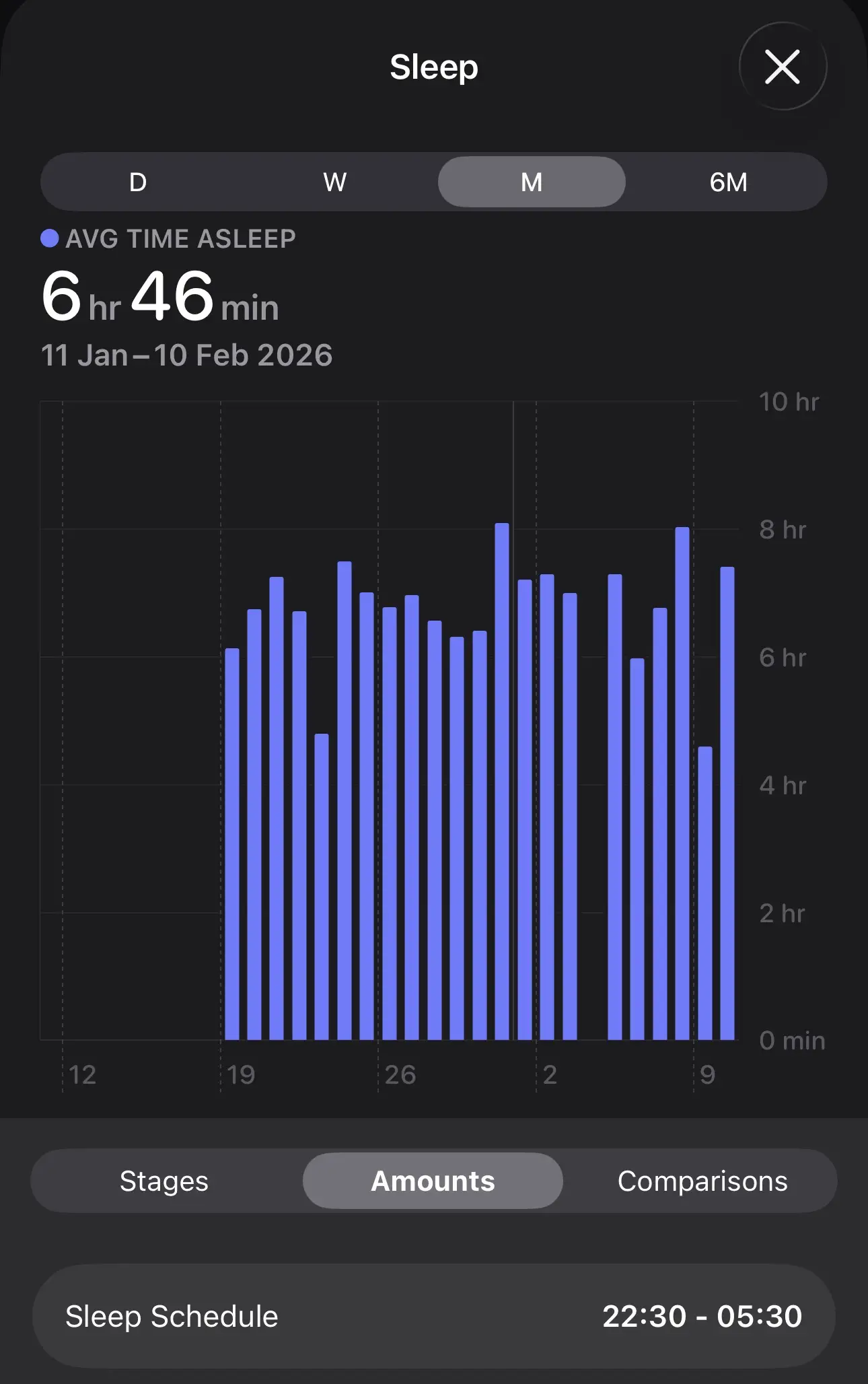
Here’s the approach that worked for me, and it stays simple on purpose:
- Track for 7 nights. Don’t change anything yet. Just collect a baseline.
- Look at two things only: total sleep time and how often you wake up.
- Add one line each morning: “How do I feel?” (fine, flat, wired, groggy).
- Make one decision: pick one small change for the next week.
That’s it.
Not a total lifestyle reset. Not a new identity as someone who owns magnesium. Just one change, run like an experiment.
Examples of one-week experiments:
- No caffeine after 2pm
- Leaving your phone out of the bedroom
- Cooler room and darker space
- A consistent wake-up time (even if bedtime varies)
- Ten minutes to decompress before bed (journal, shower, reading)
Where I’ve landed on the accuracy debate
If someone tells you sleep apps aren’t perfectly accurate, you can agree and still use them.
Because the alternative for most people is not accuracy. It’s uncertainty.
And uncertainty is where the stress grows. A rough estimate that helps you calm down, spot patterns, and make one practical change is often better than a wild guess that turns into a daily worry.
Takeaway
Use sleep tracking as a compass, not a judge.
Track for a week, look for patterns, pair the data with how you feel, then make one small change. The point isn’t perfect numbers. It’s calmer mornings and better decisions.