A Simple Hack for Drinking More Water
Drinking water felt boring until I switched to an insulated bottle. A tiny change removed friction and helped me reach 1.7–2.55L most days.

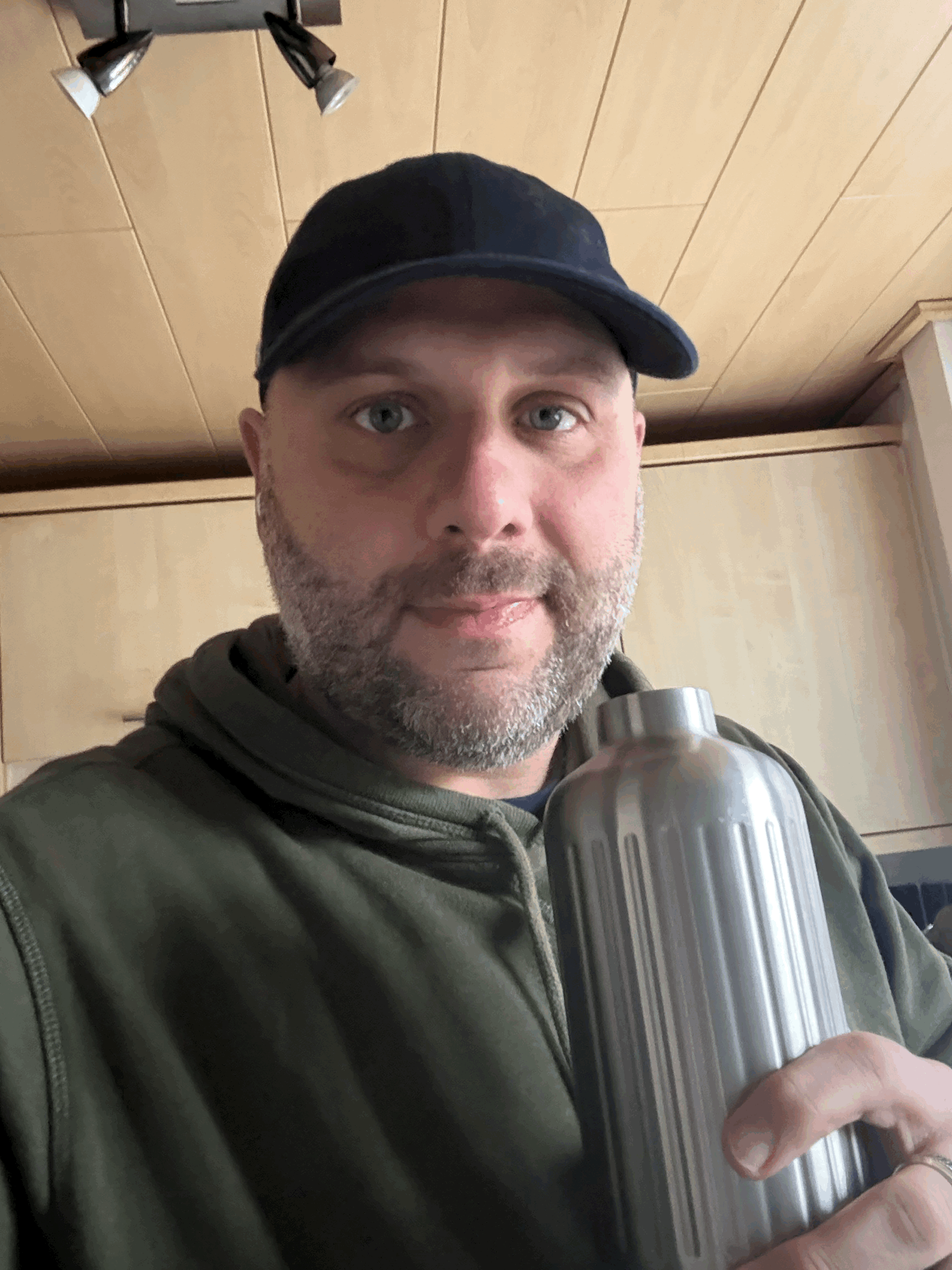
Hydration That Finally Stuck: I Didn’t Need More Discipline, I Needed a Better Default
Welcome back to Fog of Mind. As I strive to help people deal with their mental health, I think about the different aspects of my life, and how I have dealt with the lows, the dark days and the lack of motivation. It’s a real issue that men over 40 are struggling with mental health. This got me thinking.
I used to think I had a hydration problem. I was always reaching for something else to drink, like soda.
Not because I didn’t understand the basics. Everyone knows they should drink more water. The problem was simpler, and a bit more annoying: I found the experience of drinking water from a glass boring.
A plain glass sitting on the side never pulled me in. It was functional, sure, but it felt like a chore. Something you do because you “should”, not because you want to. And when a habit feels like that, it becomes optional the moment your day gets busy, you feel a bit low, or your attention goes elsewhere.
Then I bought a new insulated water bottle.
It sounds laughably small as a turning point, but it mattered. The bottle felt good in my hands. Solid. Designed. The kind of thing you naturally reach for without needing to talk yourself into it. I kept it at arm's length, which meant it worked as a cue as much as a container.
And that was the shift.
I didn’t suddenly become a new man with heroic willpower. I just removed friction and improved the experience. The habit stopped relying on motivation and started relying on the environment I’d built around me.
The result has been consistent: I now drink between two and three bottles a day, each one 850 ml. That’s 1.7 to 2.55 litres, most days, without making it a big thing.
This is one of the quiet principles behind Fog of Mind, if you want your mind and body to feel steadier, start with what is basic and repeatable. Not glamorous. Not complicated. Grounded.
If something good for you feels dull or forced, don’t beat yourself up. Upgrade the default. Make the right habit easier to start, easier to repeat, and more satisfying in the moment.
Because sometimes the difference between “I never stick to this” and “this is just what I do now” is as simple as changing the container.
Try this today
Pick one wellbeing habit you keep failing at and ask: What’s the friction?
Then make one small upgrade that makes it easier, more obvious, or more satisfying.
Quick prompt
What’s one small upgrade you could make this week that would remove friction from a good habit?
FAQ: Benefits of Drinking Water
What does drinking enough water actually do for your body?
Water helps your body regulate temperature, move nutrients around, remove waste (urine and bowel movements), and keep tissues and joints working normally.
Does drinking water improve energy and focus?
Yes. Not drinking enough can lead to unclear thinking, mood changes and fatigue. Getting enough fluids supports normal cognitive function and day-to-day energy.
Can drinking water help with headaches?
Sometimes. Headaches can be a symptom of dehydration, so topping up fluids can help if low hydration is a factor. If headaches are frequent or severe, get medical advice.
Does water help digestion?
Yes. Water helps break down food and supports digestion and nutrient absorption. It can also help prevent constipation, particularly if your fibre intake is higher.
Can drinking more water help with constipation?
It can. Dehydration is linked with constipation, so increasing fluids may help, alongside fibre and movement.
Is drinking water good for kidneys?
Yes. Water supports normal kidney function by helping the body remove waste through urine. Staying hydrated is also associated with a lower risk of kidney stones.
Can drinking water reduce the risk of urinary tract infections?
Good hydration supports healthy urine levels and may help lower the risk of UTIs for some people. It is not a treatment, and persistent symptoms should be checked.
Does water help regulate body temperature?
Yes. Hydration supports temperature control, including sweating. This matters more during exercise, hot weather, and illness.
Does drinking water improve skin?
Hydration supports normal body function, but it is not a quick fix for skin texture, ageing, or acne. Many factors affect skin, including sleep, diet, stress, and sun exposure.
Can water help with weight management?
Water has no calories, so swapping sugary drinks for water can reduce overall calorie intake.
How much water should I drink each day in the UK?
UK guidance is to aim for 6 to 8 cups or glasses of fluid a day, and a practical check is that your urine should be a clear, pale yellow. Needs rise if you are active, it is hot, or you are unwell.
Do tea and coffee count towards hydration?
Yes. UK guidance counts fluids such as water, lower fat milk, and tea and coffee as part of daily fluid intake. Keep an eye on sugary drinks.
Note: If you have a condition where fluid intake needs managing (for example, some kidney or heart problems), follow your clinician’s advice rather than general guidance.
Help someone find headspace. Share this.
Sign up and check your spam folder.