Amazing Colours Clear Headspace And What We See
An exploration of how colours influence mental health, mood, and perspective, and how noticing what we see can help create headspace and calm.

Why Calm Spaces Matter More Than We Think
Welcome to Fog of Mind. This space exists for one simple reason, to help people find headspace. Not perfection. Not constant positivity. Just a little more room to breathe, think clearly, and steady themselves in a noisy world. Today we are exploring the power of colour.
Fog of Mind was created to explore how everyday things shape our mental health. Small moments. Ordinary habits. Subtle influences we often overlook. My mission is to create headspace and support healthier personal and working environments, whether that is through writing, conversation, workshops, or simply encouraging people to pause and notice what is around them. This is about perspective, not pressure. Awareness, not judgement.
The Power of Colour
One of the most overlooked influences on our mental wellbeing is colour.
We live surrounded by colour, yet rarely think about how it affects us. Screens, walls, clothing, packaging, signage, nature, even the sky outside the window. Colour is constant, but its impact is often invisible. And that is exactly why it matters.
Architects and designers spend lots of time and money to ensure the aesthetics are of a high standard.
Colour as a quiet signal to the brain
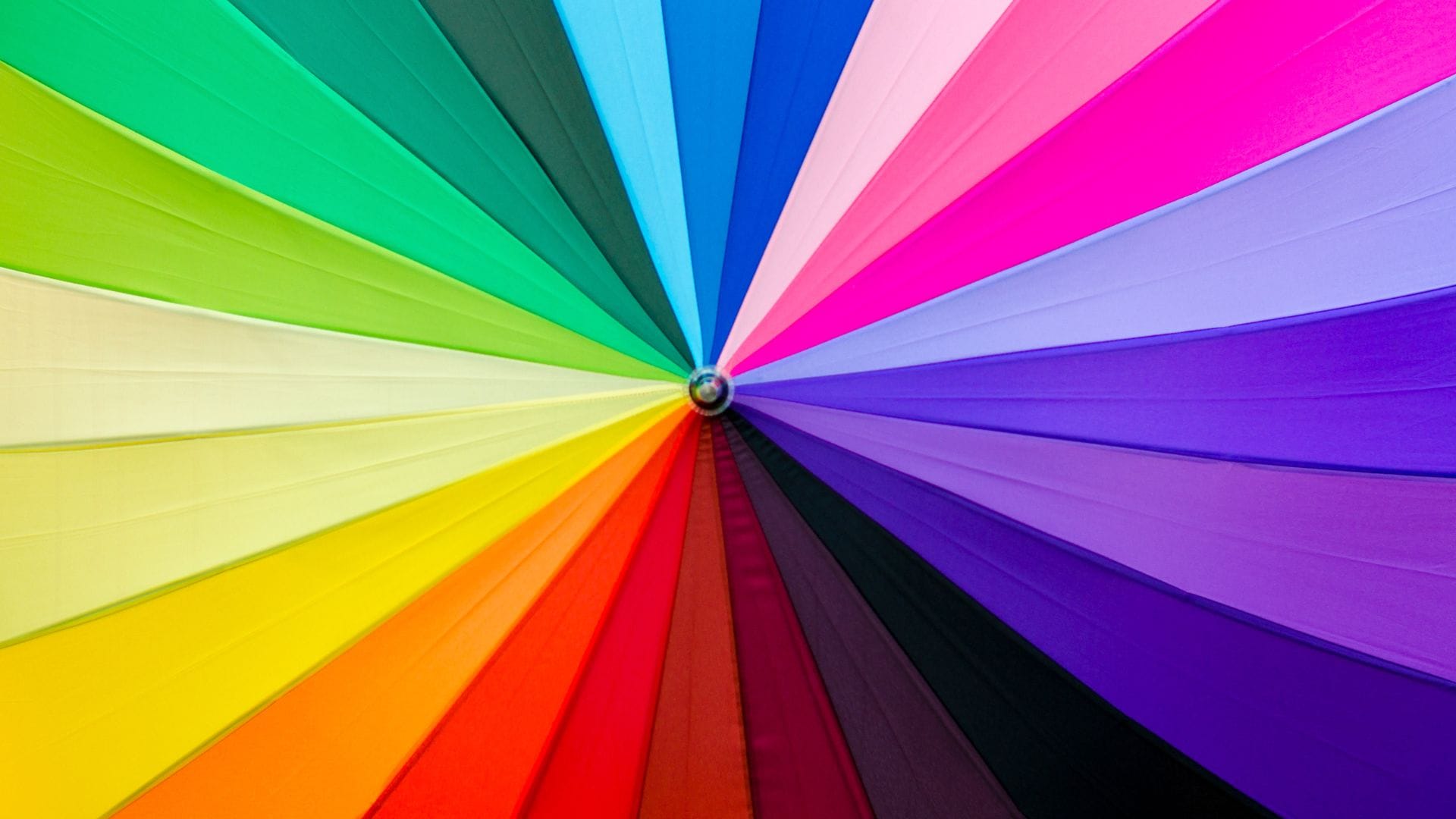
The human brain responds to colour before it responds to language. Long before we interpret words or logic, our nervous system reacts to visual cues. Colour can calm us, stimulate us, ground us, or unsettle us without us consciously realising why.
This is not about dramatic mood changes. It is about subtle shifts. A slight easing of tension. A small lift in energy. A sense of safety or familiarity. When mental health feels fragile, those small shifts matter more than we think.
Soft, natural tones tend to reduce cognitive load. Harsh, high contrast colours demand attention and can increase stress if overused. This does not mean bright colours are bad. It means context matters.
Blue and the search for calm
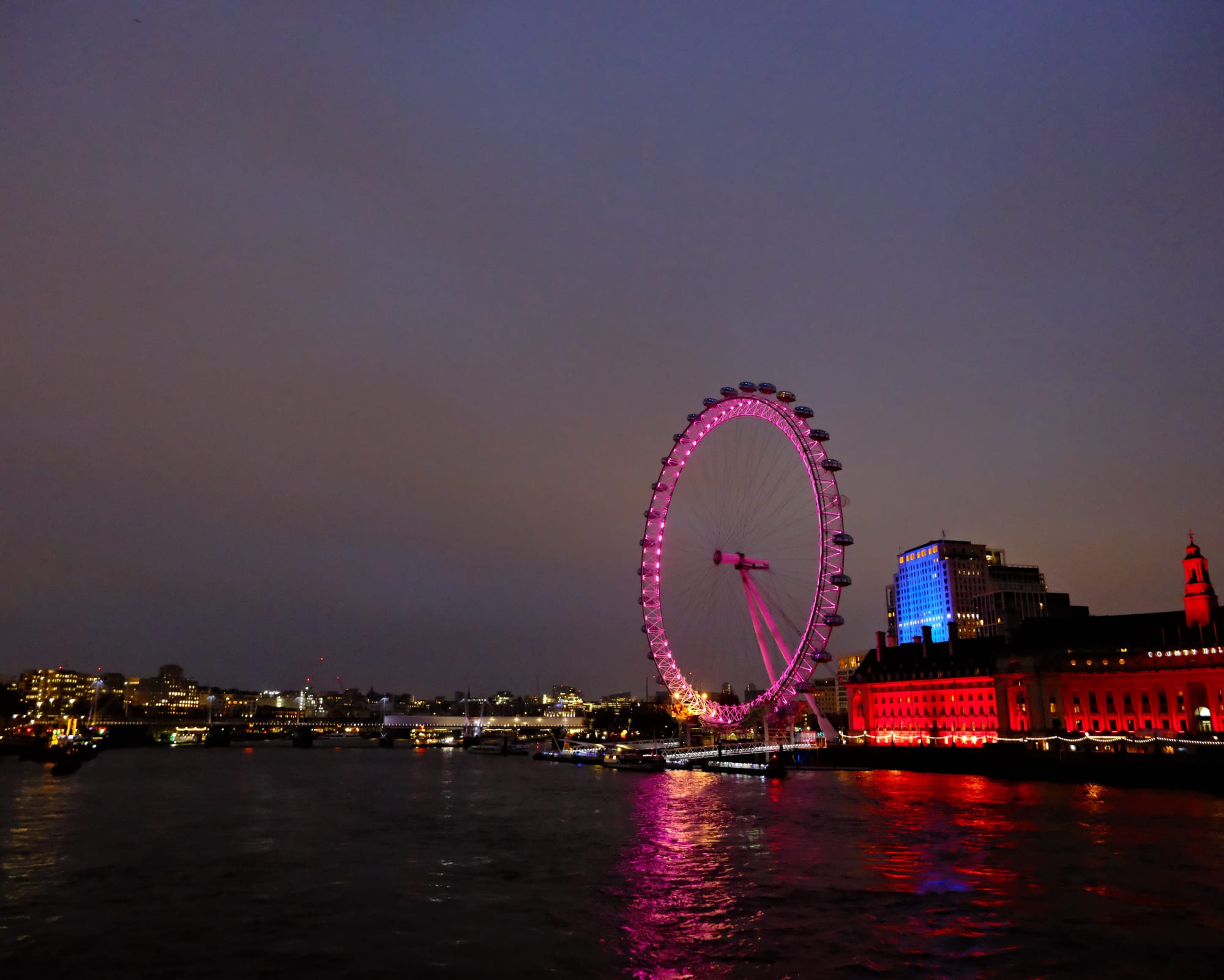
Blue is often associated with calm, stability, and reflection. It mirrors the sky and the sea, environments that historically signalled safety and predictability. In spaces where anxiety is high, softer blues can help slow the heart rate and encourage steadier breathing.
That may be why so many people feel a sense of relief near water, or why looking up at a clear sky can create a moment of perspective on a difficult day. Blue does not solve problems, but it can create the mental conditions in which problems feel more manageable.
In Fog of Mind terms, blue is about space. It invites distance from the noise.
Green and the need for balance
Green is deeply connected to balance and restoration. It sits at the centre of the visible colour spectrum, requiring little adjustment from the eye. This makes it one of the least mentally demanding colours to process.
Exposure to green spaces has been repeatedly linked to reduced stress and improved mood. Even small doses help. A plant on a desk. A view of trees. A photograph of nature. These are not lifestyle clichés. They are practical tools for nervous system regulation.
Green reminds us that growth does not need to be rushed. It happens quietly, steadily, often unnoticed until we stop and look.
Yellow, energy, and caution
Yellow carries warmth and optimism, but it is also stimulating. In small doses it can lift mood and encourage creativity. In excess it can overwhelm, increasing agitation or restlessness.
This duality is important. Mental health is rarely about extremes. What energises one person can exhaust another. What feels uplifting in the morning can feel abrasive at the end of a long day.
Yellow works best when it is intentional. Accents rather than floods. Highlights rather than backgrounds.
Red and the body’s response
Red is powerful. It is associated with urgency, alertness, and physical response. It can increase heart rate and draw attention instantly. That is why it is used for warnings and signals.
In mental health terms, red can be grounding when energy is low, but destabilising when stress is already high. It is not a colour to fear, but one to respect. Used carefully, it can remind us of strength and vitality. Used carelessly, it can amplify anxiety.
Neutral tones and mental rest
Greys, beiges, and muted tones often get dismissed as boring. In reality, they offer something many overstimulated minds desperately need: rest.
Neutral colours reduce visual noise. They allow the brain to settle. In environments where people are thinking deeply, processing emotions, or recovering from burnout, neutral palettes can provide a sense of safety and predictability.
This is not about stripping spaces of character. It is about reducing unnecessary demand.
Colour, control, and agency
One of the hardest aspects of poor mental health is the loss of control. Anxiety and depression often come with a sense that things are happening to you rather than with you.
Colour offers a small but meaningful way to reclaim agency.
Choosing what you wear. Adjusting the lighting in a room. Changing a screen background. Adding colour through art, photography, or nature. These are not trivial acts. They are quiet decisions that say, I have some influence over my environment.
Fog of Mind is built around that idea. Small, deliberate choices that create space to think.
No universal rulebook
It is important to say this clearly: there is no universal colour prescription for mental health. Personal experience, culture, memory, and association all shape how colour is felt.
A colour that calms one person may trigger another. A shade that feels joyful may carry difficult memories. Awareness matters more than rules.
The real work is noticing. How does this space make me feel. How does this colour affect my mood. What happens when I change it.
That noticing is the beginning of headspace.
The power of nature, colour, and noticing late
Nature has a way of teaching us lessons long after the moment has passed.
When I was younger, I had the privilege of visiting a Kenyan safari. At the time, I saw it, but I did not truly see it. The vast skies, the dust-soft horizons, the muted browns and deep greens stretching into the distance. It was extraordinary, yet I lacked the stillness and perspective to fully embrace its beauty. Youth often rushes past moments that later life longs to return to.
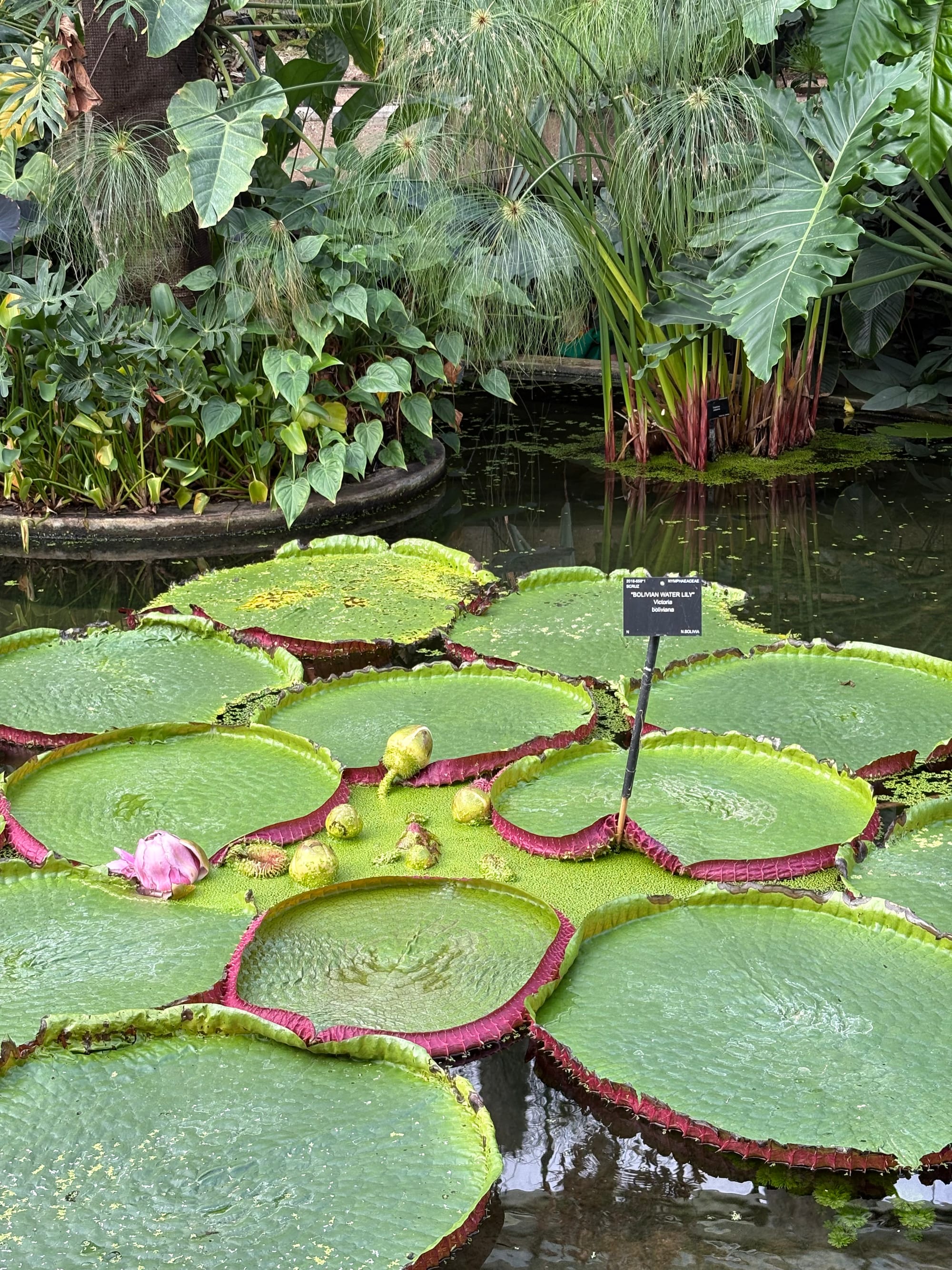
Years later, with a very different mindset, I visited Kew Gardens in London. There was no savannah, no dramatic wildlife, no sense of scale that compares to Africa. And yet the impact was profound.
The park was a sea of vibrant colour. Layer upon layer of greens, broken by seasonal bursts of reds, yellows, purples, and whites. The richness of the green alone felt calming, grounding, almost reassuring. It slowed me down without asking. My breathing eased. My thoughts softened. Nothing needed fixing in that moment.
That is the quiet power of nature combined with colour.
Green does not shout. It steadies. It signals safety to the nervous system, balance to the mind. When surrounded by it, even in a city, the body responds before the brain has time to analyse why. This is not romanticism. It is biology.
What struck me most was not just the colour itself, but my ability to notice it this time. Age, experience, and struggles with mental health had changed how I see the world. I was no longer passing through environments on autopilot. I was present.
What Fog of Mind hopes to achieve
Fog of Mind is not here to provide quick fixes or packaged answers. It exists to encourage reflection, conversation, and perspective. To remind people that mental health is influenced by far more than we often acknowledge.
By exploring topics like colour, environment, routine, and mindset, the aim is to make mental health feel more human and less clinical. To show that support does not always arrive as a breakthrough moment. Sometimes it arrives as a cup of tea, a quieter room, or a softer light.
If this space helps even one person pause, breathe, and see things slightly differently, it is doing its job.
Help someone find headspace. Share this.
Sign up and check your spam folder.