Expert Tips For Staying Motivated When You Feel Low
Feel low and unmotivated? Learn practical ways to rebuild momentum using small actions, routines, and humour, plus a true story from a 1,000-mile ride.

When Motivation Disappears, Borrow It From the Next Small Action
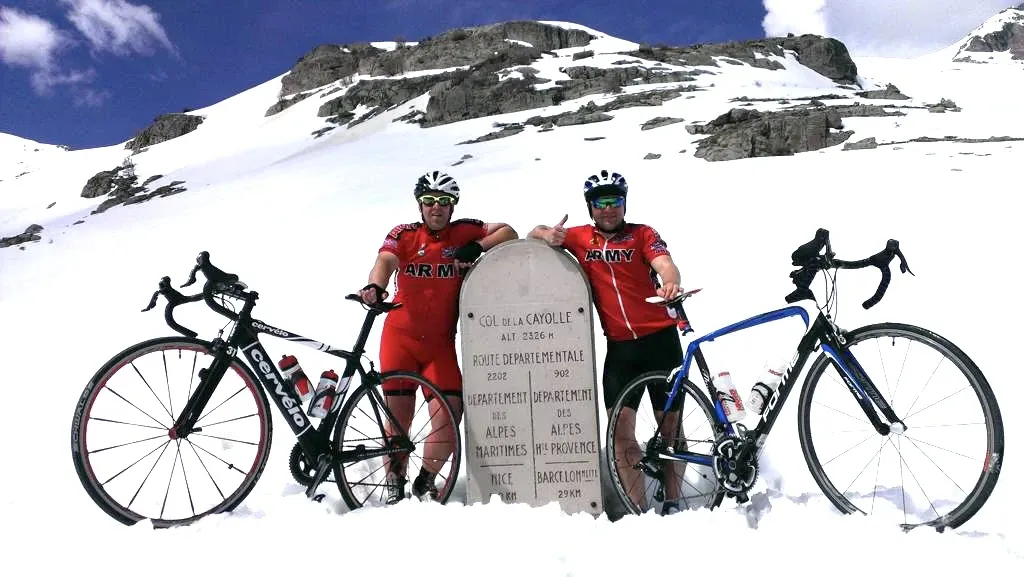
Welcome back to Fog of Mind, the place to support over 40s men's mental health. In this post we are talking about motivation. In 2013, having never cycled properly, I signed up for a 1,000-mile ride from London to Nice. On paper, this is the sort of thing you do when you are either deeply inspired or mildly unwell in the head. Possibly both, but as the key takeaways suggest, targets can help you to move, but but they should never become a verdict on you.
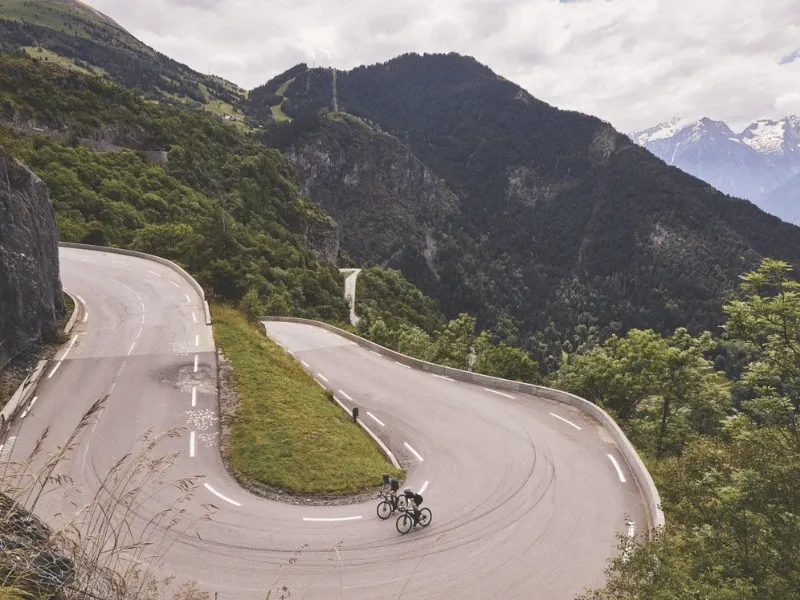
I trained hard from February to May. By the time May 27th arrived, I felt fit and strong. During the nine days of riding we tackled one of cycling’s legendary climbs, Alpe d’Huez. Its 21 hairpins, 13.8 km length, 8.1% average gradient, and a 1,860m summit will definitely raise your heart rate.
Before we started that ascent, I made a decision. I wanted to beat 1 hour 20 minutes and be either first or second to the top. It wasn’t a race, but I was operating like it was. I was locked in. Purposeful. Properly motivated.
After what felt like a lifetime of hairpins and lung burn, I reached the top in 1 hour 12 minutes, finishing in second place.
I climbed off the bike and my world seemed to fall apart.
Not the usual sort of fall apart either. Not the dramatic, cinematic version where you stare into the distance and reflect on the meaning of life. More like the sudden, confusing kind where your body and mind decide to empty the tank at the same time.
I felt teary. I wanted to go home.
But I had a job to do.
At the time, I was a serving Sergeant Major. People were watching. I had to show grit and determination, and I needed to finish the ride.
From the outside, everything looked brilliant. Big challenge. Big climb. Strong time. Second place.
Things weren’t as they seemed. Looking back I should have recognised the signs.
But.
I didn't know how to.
The context
It was a warm afternoon in July 2013. My palms were sweaty and my heart was racing. I was sitting in a waiting room, about to see a psychiatrist. He diagnosed me with moderate to severe depression and general anxiety disorder.
That diagnosis did two things at once. It explained what had been happening, and it made everything feel painfully real.
When you are the sort of person who can grind out a mountain climb in a decent time, it is very easy to believe you should be able to “handle” your own head as well.
Depression and anxiety do not care about your fitness, your rank, or your ability to crack on.
The challenge
Over the coming months, panic attacks came in waves.
Some days were manageable. Some days were like being repeatedly hit with the same invisible hammer.
I wasn’t working full-time. The military were fantastic at supporting my recovery, and I will always be grateful for that. But panic is draining. It steals your energy, your appetite for people, and your confidence in simple things.
There were days I seldom wanted to leave the house.
And yet I knew I had to.
Not because I was “fixed”. Not because I was suddenly full of motivation. But because I had learned something important, even if I did not have the words for it at the time.
Motivation is unreliable. Movement is not.
The response
When I felt the need to burn off energy, I would don my cycling gear, slip on my cycling shoes, and get out on the road.
No speeches. No big pep talk. No inspirational quotes taped to the fridge.
Just kit on. Out the door. Pedal hard and fast.
One day, not far from Rutland Water where I lived, I spotted a cyclist in the distance. They were far enough away to be a target, close enough to feel possible. Head down, pushing hard, I chased them down.
It became a mission. A tiny race inside my own head. The sort of chase that turns your thoughts quieter because your body is suddenly busy.
I gained. Slowly at first, then quicker. I caught them at the brow of a hill and felt like a million dollars.
Then I looked to my right.
It was an elderly woman on a sit-up-and-beg bike.
There is no dignified way to process that moment.
I felt comically heroic and deeply foolish at the same time, like I had just won a sprint against someone out for a gentle trip to the shops.
I rode off, half laughing, half mortified.
But something shifted.
Not a miracle. Not a transformation. Just a small change in the weather inside my own head.
For a brief moment, I was back in my body and out of the spiral. I’d moved. I’d chased something. I’d laughed. I’d survived another day.
The result
Despite feeling low, I began to find motivation again.
Not the loud, cinematic kind. The quieter kind.
The kind that shows up when you do the next small thing, even when you do not feel like it.
I kept cycling. I kept moving. And somewhere in that messy period, I started to blog.
I did not start blogging because I had it all figured out. I started because it gave me a place to put thoughts. A place to make sense of what I was living through. A place to create something when everything felt like it was being taken away.
And here’s the part that still surprises me.
Thirteen years on, I’m still fastidious with writing.
That is the long game of motivation. It does not always begin with inspiration. Sometimes it begins with a decision to do one small, practical thing and let the feeling follow later.
What I learned about getting motivated when you feel down
If you are reading this from a low patch, here is the uncomfortable truth that can also be oddly freeing:
You may not be able to think your way into motivation.
But you can often move your way into it.
Depression and anxiety have a habit of shrinking your world. Your brain starts bargaining for safety by making everything smaller: fewer people, fewer plans, fewer risks, fewer steps outside.
The antidote is rarely a grand reinvention.
It is usually a small act of defiance.
A walk around the block. Ten minutes on a bike. A shower. A journal entry. One phone call. One meal. One task.
Small actions are not pathetic. They are strategic.
They are how you borrow motivation from the person you will be in an hour.
Key takeaways
- Motivation often arrives after action, not before it. On the low days, the kit went on first. The feeling came later.
- Performance can hide the truth. You can climb a mountain and still be falling apart inside. Strength and struggle can coexist.
- Borrow identity when feelings are unreliable. “I had a job to do” carried you when motivation didn’t. Values can be a bridge.
- Anxiety has physical energy. Give it an outlet. Movement is a pressure-release valve, not a fitness goal.
- Humour can interrupt the spiral. The sit-up-and-beg moment was ridiculous, and that ridiculousness helped.
- Consistency beats intensity. You did not need a perfect week. You needed repeated small wins.
- Set goals for direction, not self-worth. Targets can help you move, but they should never become a verdict on you.
- Create a ‘bad day protocol’. Decide in advance what you will do when you feel rough, so you are not negotiating with your brain in the moment.
A simple habit to try: the 10-minute start
Pick one action that helps you reset (walk, cycle, tidy one surface, write 100 words). Commit to ten minutes only. If you stop after ten, you still win. If you continue, motivation often follows.
A question for reflection
What is the smallest action that reliably improves your day by five per cent?
Write down three options and keep them visible. When you feel low, do not aim for perfect. Aim for five per cent. That is how you build your way back.