How Much Does Mental Health Support Cost?
How much does mental health support cost? It depends. Start with self-help (time), then explore NHS, workplace support, low-cost options, or private therapy.


It all depends on the problem. Don't worry. Here at Fog of Mind, I’ll break it down into clear, practical steps so you can find some much-needed headspace.
That sounds like a cop-out, but it is the truth. “Support” can mean anything from a ten-minute reset on a stressful Tuesday, to structured therapy, to urgent crisis help. The cost ranges from your time to hundreds of pounds a month, depending on what you need and how quickly you need it.
The good news is you can often start with self-help, which only costs your time. And if you need more than self-help, it is ok to ask for help. It is ok to be vulnerable.
The first cost is usually time, not money
Before we talk prices, it’s worth saying this plainly: mental health support has “hidden” costs that are not financial.
- Time (appointments, waiting lists, practice between sessions)
- Energy (doing the work, not just “thinking about it”)
- Honesty (saying, “I’m not alright”)
- Consistency (small actions that add up)
Sometimes the cheapest option financially is the most expensive in time. Sometimes paying for support buys speed, structure, and breathing room.
A simple cost ladder (from free to paid)
Self-help (free, costs your time)
This is the starting point for many people, especially if you feel foggy, stressed, drained, or stretched.
Self-help can be surprisingly practical when you stop trying to “fix your life” and start trying to create a bit of headspace: clearer thinking, fewer spinning plates, and one small change you can actually sustain.
A good place to begin is this Fog of Mind post, which turns wellbeing buzzwords into usable actions like boundaries, delegation, reset, recharge, sleep hygiene, and purpose:
https://www.fogofmind.co.uk/what-improved-headspace-really-means/
People support (free, costs a bit of vulnerability)
A trusted friend. A partner. A colleague you can speak to honestly. A manager who listens properly. This is not therapy, but it is often where the pressure starts to drop.
If you lead people, remember this: most people do not need chocolates and flowers. They need an empathetic ear and some space to recover.
Workplace support (often free to you)
Some employers offer Employee Assistance Programmes (EAP), coaching, or access to talking therapies. This can be a fast route, but quality and availability vary.
Some talking therapies can also be available through employers, universities, or charities.
NHS support (free to access, may cost time waiting)
In England, NHS Talking Therapies for anxiety and depression are free for patients to access. This can be an excellent route, but waiting times vary by area and demand.
Low-cost and sliding-scale counselling (reduced fees)
Many community services and charities offer lower-cost sessions, often based on income. This can be a good middle ground if private therapy is out of reach.
Private counselling and psychotherapy (paid, usually weekly)
Private fees vary by location, experience, and type of therapy. London can be higher, and many people pay weekly or fortnightly depending on budget and need.
Private psychologists and specialist care (paid, higher)
For more specialist support, costs can rise. This is often where you are paying for deeper expertise, assessment, or a more tailored plan.
Case study: experimenting with tools and techniques that works for me
I have experimented with finding tools that work for me, because not everything works the same way for everyone.
At my worst, I wanted a single “fix”. What actually helped was building a small toolkit and using it consistently. Some of the tools were free and only cost time. Others involved asking for help, which felt uncomfortable at first, but became a turning point.
Here’s what I learned through trial and error:
- Simple self-help can create a foothold, especially when your head feels noisy. It does not need to be perfect, it needs to be repeatable.
- Routine beats motivation. On low days, I relied on small actions I could do even when I did not feel like it.
- Connection mattered more than advice. The biggest shift often came from being heard properly, not being “fixed”.
- Professional support helped when self-help was not enough. Meeting someone halfway, doing the work between sessions, and being honest about what was going on made the difference.
The point is not that my tools will be your tools. The point is that tools exist, and you are allowed to try them, keep what helps, and drop what doesn’t. If you need help, it is ok to ask. If you feel exposed saying it out loud, that is normal. Vulnerability is often the start of recovery, not a sign of weakness.
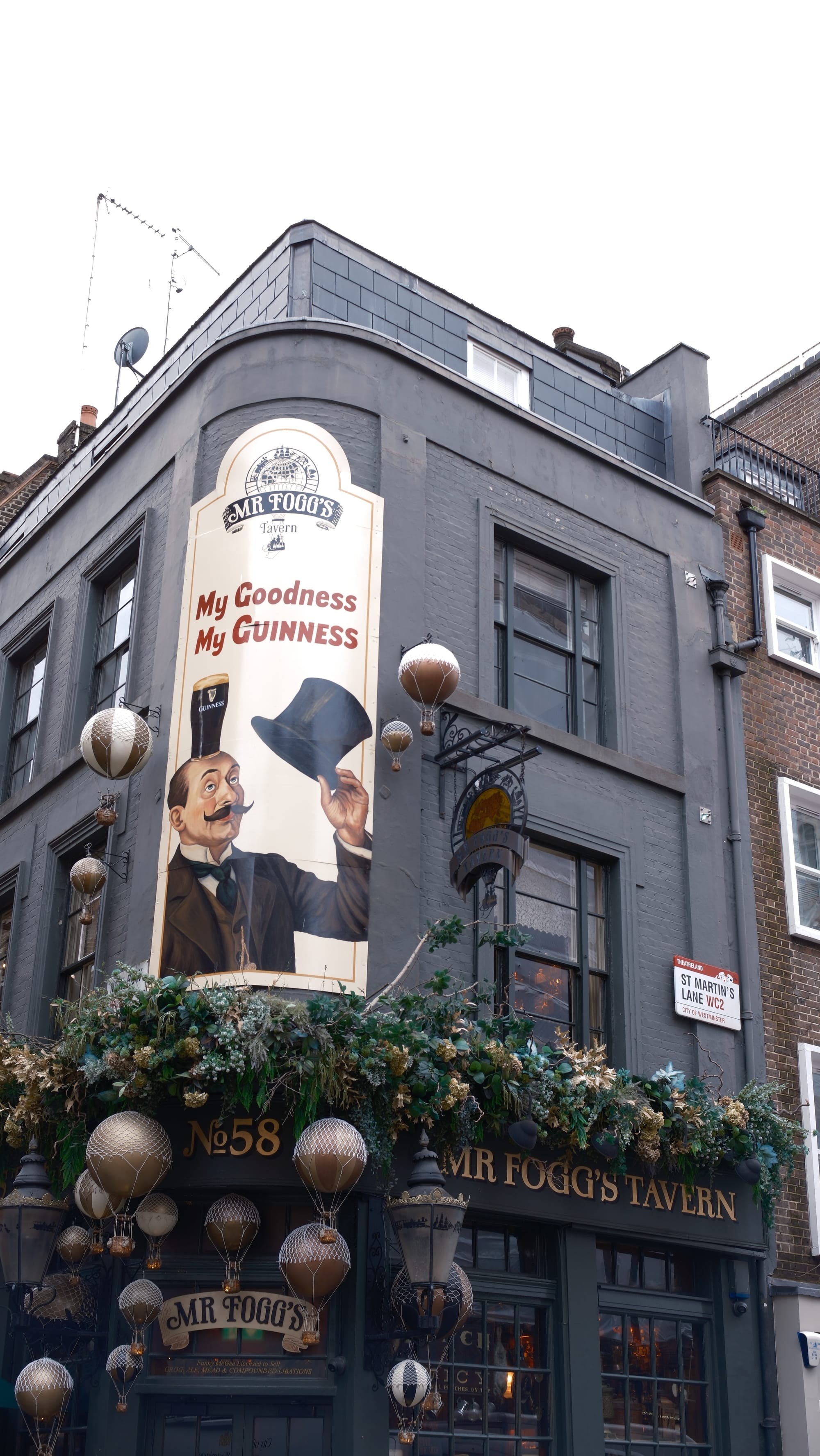
A few weeks ago I was sat at my desk, really not enjoying the 8-5. I decided to go for a walk with a difference. Instead of talking my usual route along the River Thames, I decided to experiment. I picked up my FujiFilm camera and headed to Soho (image above). I snapped away with my 23mm lens and the hour flew by and I felt energised.
💡Have think about how to be creative during your lunch break.
If you want a practical place to start, begin here and pick one small action you can actually sustain:
https://www.fogofmind.co.uk/what-improved-headspace-really-means/
Where I would start (if you feel stuck)
If your brain is saying, “I don’t even know what I need”, start here:
- Name the problem in plain English. Not “burnout”. Try: “I’m waking up tense”, “I dread Monday”, “I can’t switch off”, “I feel foggy and behind.”
- Pick one lever you can pull this week. Sleep, boundaries, workload, movement, connection, alcohol, scrolling, unresolved conflict.
- Use a simple framework instead of willpower. The Fog of Mind headspace post gives you practical angles to try: boundaries that hold, delegation that removes pressure, resets that change something real, and “meditation” that can simply mean focused attention (photography counts).
Self-help is not “less than”. It is often step one. And sometimes it is enough.
When self-help is not enough
Self-help is a good start, but it is not the whole answer for everyone. Consider stepping up support if:
- your mood or anxiety is persistent and affecting daily life
- you are using alcohol, food, or scrolling to cope most days
- work, relationships, or sleep are sliding
- you feel hopeless, panicky, or unsafe
If you need urgent help, use NHS crisis support routes, or call Samaritans on 116 123. If you cannot talk on the phone, you can text SHOUT to 85258 in the UK.
The point nobody says out loud: asking early is usually cheaper
Waiting until you hit the wall tends to increase every cost: money, time off work, strain on relationships, and recovery time.
You do not have to earn help by falling apart first.
If the next step feels awkward, let it be awkward. Tell someone. Book the GP appointment. Fill in the self-referral. Try the small reset. Start the conversation. It is ok to ask for help. It is ok to be vulnerable.
Start here:
https://www.fogofmind.co.uk/what-improved-headspace-really-means/
Help someone find headspace. Share this.
Sign up and check your spam folder.